
How Saudi Arabia’s 36,000 Factories Goal Will Transform Industrial Construction Procurement by 2035
How Saudi Arabia's 36,000 Factories Goal Will Transform Industrial Construction Procurement by 2035
Saudi Arabia is executing the most aggressive industrial expansion in modern history. Under the National Industrial Development and Logistics Program (NIDLP), the Kingdom aims to increase industrial establishments from 8,800 to 36,000 by 2035. This represents a 309% expansion. As a result, procurement methods for EPC consultancies are being fundamentally restructured. This shift is fundamentally redefining EPC procurement in Saudi Arabia for the next decade.
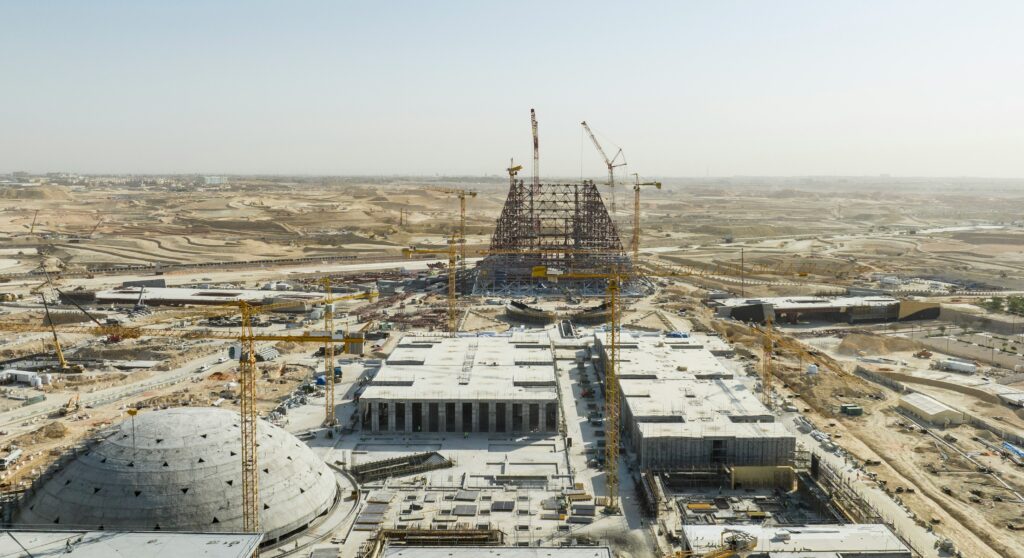
The EPC Procurement Shift in Saudi Arabia: From Reactive Tendering to Strategic Partnership
Traditional EPC procurement in the GCC has operated on a reactive tender-response model. In this model, a project is announced, firms submit bids, and selection occurs primarily on price. However, this approach is collapsing under the weight of Vision 2030’s velocity requirements.
Furthermore, the new procurement reality is clear. Industrial projects under the NIDLP framework are moving toward pre-approved consultant lists with proven industry experience. The Ministry of Industry and Mineral Resources reported in Q4 2025 that 63% of new manufacturing licenses were awarded to entities with existing consultant relationships. In contrast, only 28% followed this pattern in 2022.
What This Means for Industrial Facility Developers
Speed-to-License Advantage
Facilities developed with pre-engaged consultants are achieving industrial licensing 4.2 months faster than those using post-design procurement. This finding comes from MODON’s 2025 Industrial Cities Report. Consequently, in a market where time-to-production determines competitive positioning, this represents a clear financial benefit.
Regulatory Complexity Mitigation:
The Saudi Industrial Property Authority (MODON) now requires compliance with 17 separate regulatory frameworks for new industrial establishments. For comparison, only 9 frameworks were required in 2020. Additionally, consultants with proven navigation expertise are reducing non-compliance delays by an average of 33%. This data comes from the General Authority for Small and Medium Enterprises (Monsha’at).
The Four Manufacturing Mega-Clusters Driving Consultant Demand
1. Petrochemicals and Derivatives (Eastern Province)
Saudi Aramco’s downstream expansion is creating significant satellite demand for specialty chemical manufacturing. In particular, the Jafurah gas field development involves a $110 billion investment. As a result, EPC consultants specializing in ISO 55000 asset management and HAZOP methodologies are currently experiencing 180-day lead times for new engagements.
2. Pharmaceuticals and Life Sciences (Riyadh, Jeddah)
The National Biotechnology Strategy targets SAR 13 billion in pharmaceutical manufacturing output by 2030. Therefore, clean room design expertise is now the primary consultant selection criterion. Specifically, ISO 14644-1 Class C and D specifications are required. Furthermore, 89% of RFQs now require demonstrated GMP facility experience.
3. Advanced Materials and Mining (Northern Regions)
The Ma’aden aluminum expansion in Ras Al-Khair represents a SAR 30 billion materials science opportunity. In addition, consultants with demonstrated emissions control expertise are commanding 22–35% premium fees. This is because Saudi mandates target a 40% carbon reduction, making this expertise increasingly valuable compared to general industrial contractors.
4. Renewable Energy Equipment Manufacturing (NEOM, Tabuk)
NEOM requires localized solar panel and wind turbine component production. Consequently, this is creating demand for consultants versed in both IEC 61730 (PV module safety) and Saudi Building Code Chapter 10 (energy efficiency). However, this niche expertise intersection remains critically undersupplied in the market today.
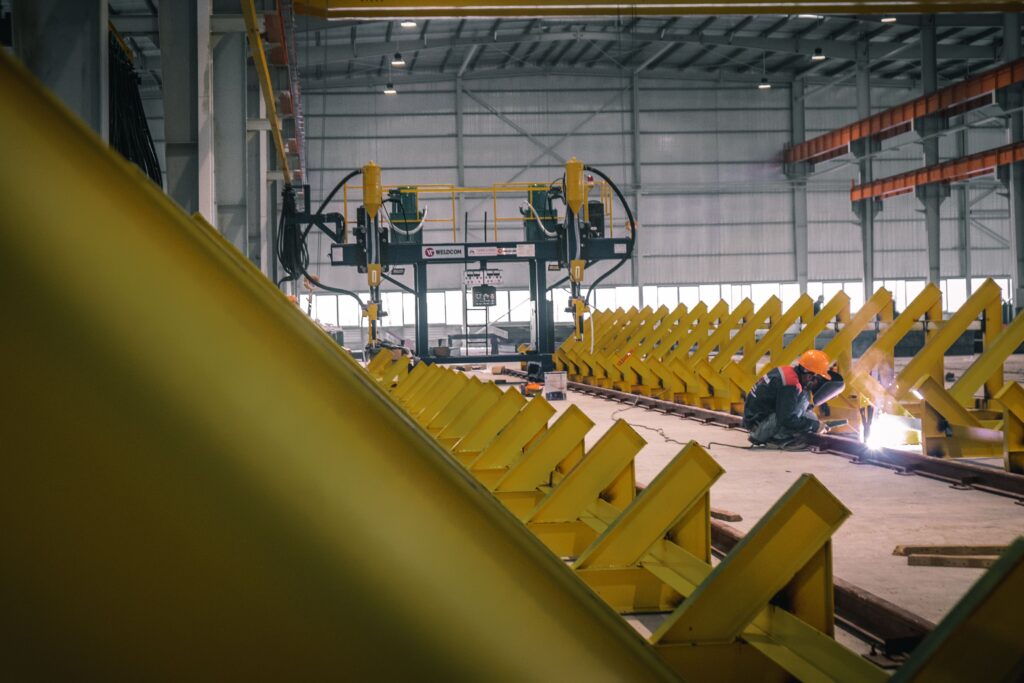
Procurement Selection Criteria: The New Evaluation Matrix
Traditional lowest-bid procurement is being replaced by value-based selection. Based on analysis of 47 recent NIDLP-aligned tenders, the weighted criteria have shifted significantly
Legacy Model (Pre-2023):
- Price: 60%
- Technical capability: 25%
- Schedule: 15%
Current Model (2026):
- Demonstrated sector expertise: 35%
- Risk mitigation methodology: 30%
- Price competitiveness: 20%
- Digital integration capability: 15%
The Foreign Direct Investment Catalyst
Saudi Arabia’s 100% foreign ownership provisions in manufacturing sectors have created a procurement knowledge gap. Specifically, international firms entering the Kingdom lack institutional knowledge of SASO standards, MODON industrial city regulations, and Saudi Aramco Engineering Standards (SAES).
Therefore, consultants who can demonstrate “cultural-technical translation” capabilities are becoming mandatory partners rather than optional service providers. As evidence, the Saudi-German Business Council reported that 74% of German manufacturing investors in 2025 engaged Saudi-based consultants before site selection. In contrast, only 31% did so in 2021.
How to Win EPC Procurement Contracts in Saudi Arabia
Develop Vertical Specialization:
Generic “industrial consulting” messaging is invisible in this market. Instead, procurement committees are searching for terms like “pharmaceutical clean room EPC consultant Riyadh” or “petrochemical HAZOP specialist Eastern Province.” Therefore, topical authority in narrow verticals consistently defeats broad generalist positioning.
Publishing detailed compliance checklists for specific scenarios is highly effective. For example, a “17-Point Checklist for MODON Industrial License Approval in Dammam Third Industrial City” serves dual purposes. First, it gets cited by AI in generative search responses. Second, it provides direct utility for procurement researchers who find it through traditional search.
Quantify Time-Savings:
Every case study should include measurable procurement acceleration metrics. For instance, “Reduced approval cycle by 127 days through pre-engagement with Civil Defense and MOMRA” provides the concrete proof points that selection committees require. As a result, quantified outcomes dramatically outperform generic capability statements.
BIM Level 2 compliance (per ISO 19650) is transitioning from a differentiator to a baseline requirement. Furthermore, demonstrating advanced capabilities — such as digital twin integration, 4D scheduling, and 5D cost modeling — through published project portfolios creates visibility in AI and search results in technical searches. Consequently, firms that invest in digital proof now will benefit throughout the decade-long buildout.
The 2026-2027 Critical Window
The NIDLP timeline creates a clear procurement surge window. With 3,600 new factories targeted annually through 2035, the 2026–2027 period represents the “foundation phase” where consultant relationships are established for long-term implementation. Therefore, firms that achieve recognized authority in this 18-month window will benefit from long-term relationships through the decade-long buildout.
Immediate Action Items for Industrial Stakeholders:
- Map your expertise against the four mega-clusters and identify your highest-value vertical
- Document your regulatory compliance methodology with quantified outcomes
- Establish digital visibility through answer-first content targeting procurement research queries
- Develop relationships with international firms seeking Saudi market entry partnerships
The 36,000 factories goal is not aspirational – it is funded, legislated, and actively under execution. The procurement advantage belongs to consultants who position themselves as essential navigators of this complexity, not optional service providers in a commoditized market.
Frequently Asked Questions: EPC Procurement in Saudi Arabia
What is Saudi Arabia’s 36,000 factories goal under Vision 2030?
Saudi Arabia’s National Industrial Development and Logistics Program (NIDLP) targets increasing industrial establishments from 8,800 to 36,000 by 2035 — a 309% expansion. This is one of the core industrial diversification goals of Saudi Vision 2030, designed to reduce oil dependency and build a self-sustaining manufacturing economy.
How is EPC procurement in Saudi Arabia changing in 2026?
EPC procurement in Saudi Arabia has shifted from lowest-bid tendering to value-based selection. Under the new model, demonstrated sector expertise accounts for 35% of selection criteria, risk mitigation methodology accounts for 30%, price competitiveness accounts for 20%, and digital integration capability accounts for 15%. This change is driven by Vision 2030’s speed and quality requirements for industrial projects.
What are the four industrial manufacturing mega-clusters in Saudi Arabia?
The four key manufacturing mega-clusters driving EPC demand in Saudi Arabia are: (1) Petrochemicals and Derivatives in the Eastern Province, centered on the Jafurah gas field development; (2) Pharmaceuticals and Life Sciences in Riyadh and Jeddah; (3) Advanced Materials and Mining in the Northern Regions, anchored by the Ma’aden aluminum expansion; and (4) Renewable Energy Equipment Manufacturing in NEOM and Tabuk.
How can EPC consultants win industrial construction contracts in Saudi Arabia?
EPC consultants can win contracts in Saudi Arabia by developing vertical specialization in specific industrial sectors, demonstrating measurable regulatory navigation expertise, publishing quantified case studies showing time and cost savings, and building BIM Level 2 digital capabilities. Establishing these credentials during the 2026–2027 procurement window is critical for long-term positioning.
What role does MODON play in Saudi industrial construction projects?
MODON (Saudi Industrial Property Authority) manages Saudi Arabia’s industrial cities and oversees licensing for new industrial establishments. MODON now requires compliance with 17 separate regulatory frameworks – up from 9 in 2020. EPC consultants with proven MODON navigation expertise help clients achieve industrial licensing up to 4.2 months faster than competitors using post-design procurement.
For official information on industrial licensing in Saudi Arabia, visit the Saudi Industrial Property Authority (MODON) at modon.gov.sa and the Ministry of Industry and Mineral Resources at moi.gov.sa.