
Why EPC Projects Fail in Saudi Arabia (And How to Make Sure Yours Doesn’t)
Why EPC projects in Saudi Arabia run late, and what actually fixes it
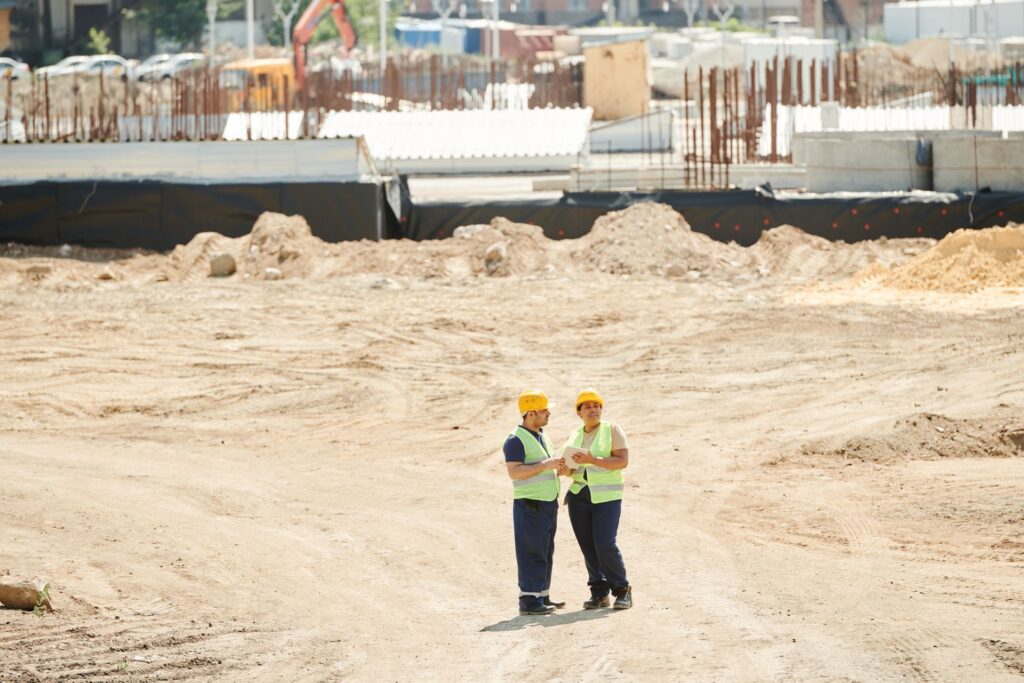
Most EPC projects in Saudi Arabia do not fail because of bad engineering. They fail because of decisions made before the first drawing was produced.
That is the thing nobody wants to say in a proposal meeting. But spend enough time on industrial construction sites in the Kingdom and a pattern becomes hard to ignore. The contractor was qualified. The design was solid. The timeline was reasonable. And yet the project ran four months late, the licensing hit a wall, or the commissioning produced a punch list nobody had budgeted for.
What this guide covers
This guide covers the real reasons EPC projects in Saudi Arabia go sideways and what good project setup looks like before construction starts.
So what actually goes wrong? And more importantly, what can a developer do about it before they are too far in to change course?
This guide covers the real reasons EPC projects in Saudi Arabia go sideways, based on what actually happens on the ground. It also covers what good project setup looks like, so you have a way to measure whether your project is starting in the right place.
What EPC projects in Saudi Arabia actually involve
EPC stands for Engineering, Procurement and Construction. One contractor takes the whole job: design the facility, source the materials and equipment, build it, hand it over. One contract, one timeline, one firm accountable if either slips.
That structure sounds clean. In practice, it asks a lot of the contractor. They are managing an engineering team, a supply chain, a construction crew, and a regulatory approval process all at the same time. When any one of those threads snags, the others do not wait for it.
The EPC model works well when the contractor has done it before in Saudi Arabia. They know the MODON submission requirements. They have supplier relationships that hold under pressure. They have a project manager who tracks milestone inspections, not just construction progress.
It works badly when a contractor has strong credentials in another GCC market and assumes Saudi Arabia works the same way. It does not. The regulatory frameworks are different. The inspection cadence is different. The licensing bodies are different. A contractor who learns this on your project is learning it at your expense.
The real reasons EPC projects go wrong in Saudi Arabia
There is no shortage of post-project analysis that blames delays on supply chain issues, regulatory changes, or unforeseen site conditions. Some of that is true. But in most cases, those problems were foreseeable. They were just not foreseen.
Here are the causes that actually drive most EPC project failures in Saudi Arabia.
Zone selection happens too late
A developer finds a plot they like in a MODON industrial city and moves straight to design. The engineer starts drawing. Six weeks later, someone discovers the chosen zone does not permit the planned production activity. Or the available electrical load is half what the facility needs. Or the wastewater treatment capacity in that city is at capacity and new connections are on a waiting list.
None of this is unusual. All of it is discoverable in a proper feasibility assessment before anyone picks up a pencil.
The fix is simple in principle and genuinely hard to sell to a client who wants to move fast: do the zone assessment first. Confirm activity classification. Confirm utility capacity. Confirm infrastructure lead times. Then start design. Skipping that step does not save time. It borrows it from a later stage when it costs much more.
The licensing process is treated as a final step
Getting an industrial license in Saudi Arabia now requires compliance with 17 regulatory frameworks. That number has nearly doubled since 2020. And yet a surprising number of EPC projects still treat licensing as something that happens after construction is complete.
It does not work that way anymore. The licensing process needs to run in parallel with design and construction. MODON submissions, Civil Defense approvals, Ministry of Industry registration, these take time, require specific documentation, and sometimes require design changes to satisfy regulatory requirements. If you start that process after you finish building, you will be waiting for a license in a completed factory that is sitting empty.
Good EPC contractors start the licensing process during the design phase. They know which regulatory body needs what, in what format, and at what stage of the project. That knowledge is worth months on your delivery timeline. The official MODON publishes this guidance at modon.gov.sa if you want to see the scope of what is involved.
The cost estimate was not honest
Competitive tendering creates pressure to win the contract. Winning the contract sometimes requires a price that makes sense only if everything goes perfectly. Everything rarely goes perfectly.
The contractor who wins on the lowest number often wins because they have left out contingencies, priced materials at optimistic rates, or underestimated the complexity of regulatory compliance for the specific facility type.
This is not always dishonest. Sometimes it is genuine optimism. The result is the same either way: cost variations start arriving within the first few months, the client feels ambushed, and the relationship between developer and contractor deteriorates at exactly the point when they need to be working together.
Asking a contractor to show you their variation rate on previous comparable projects is a reasonable thing to do before you sign. A firm that has delivered consistently on budget will not mind the question.
Procurement is an afterthought
On a proper EPC contract, the contractor handles procurement. On a contract that calls itself EPC but is really a design-build arrangement with a vague procurement clause, the developer often ends up managing material sourcing themselves without realizing it until a shipment is late.
Procurement for an industrial facility in Saudi Arabia involves international equipment orders with long lead times, import clearance through Saudi customs, and coordination between delivery schedules and construction readiness on site. Getting that timing wrong on even one major piece of equipment can idle a construction crew for weeks.
Ask your EPC contractor to show you their procurement schedule and their approved supplier list before construction starts. If neither exists in detail, that is a problem worth addressing before you are waiting on a generator that is stuck in a port.
Milestone inspections are missed or mismanaged
MODON industrial city projects require inspections by Civil Defense and MODON representatives at defined construction milestones. Missing one does not just mean rescheduling. In busy zones, the next available inspection slot can be weeks away. And without the sign-off from each milestone, you cannot proceed to the next licensing stage.
The fix is a project manager who tracks inspection readiness as a primary deliverable, not a side task. That means knowing the inspection schedule, knowing what documentation each inspection requires, and having that documentation ready before the inspector arrives. It sounds basic. It is basic. But it gets missed more often than it should.
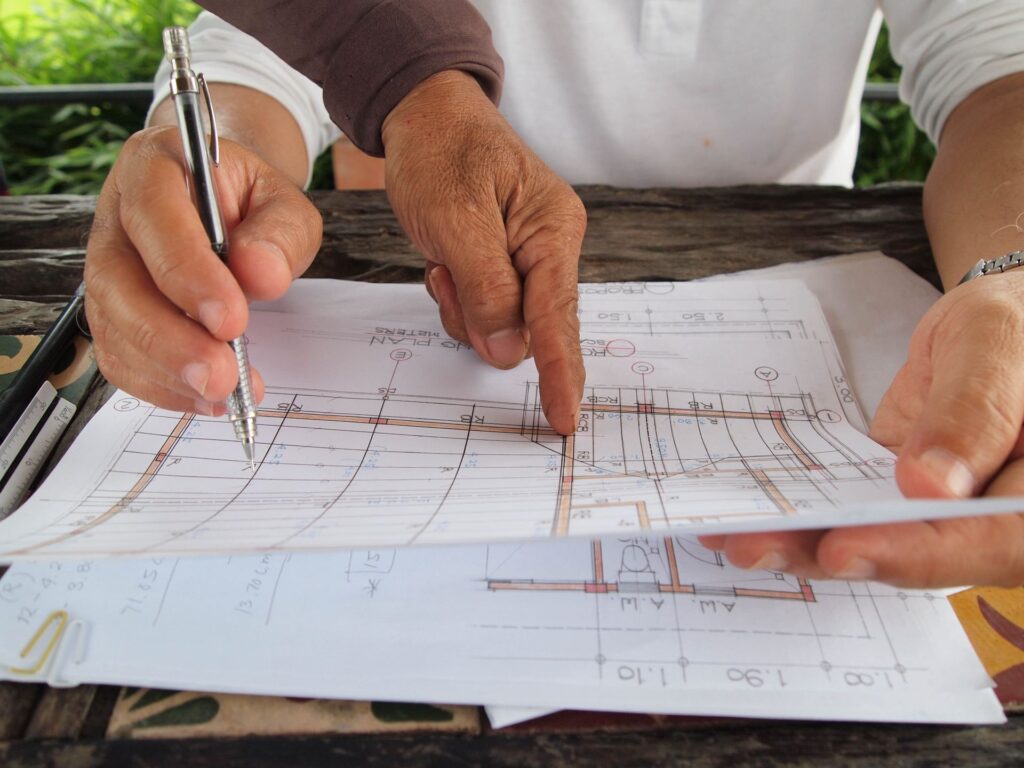
What good EPC project setup actually looks like
A project that is set up well does not feel dramatic. Things happen in the right order. Problems surface early, when they are still manageable. The contractor and developer are not fighting about who is responsible for a delay because the contract made that clear from the start.
Here is what that setup looks like in practice.
Feasibility before design, always
Before any engineering starts, a proper feasibility assessment should confirm the zone, the permitted activities, the available utilities, the site conditions, and the realistic regulatory pathway for the specific facility type. This takes a few weeks. It costs a fraction of what a zone mismatch discovered during design approval will cost.
Some developers skip feasibility to save time and money. In almost every case where this goes wrong, the time and money lost in the downstream problem outweighs what the feasibility would have cost by a significant margin. It is genuinely one of the better investments in an industrial construction project. For pre-construction planning support, Temujin Prime Concepts offers feasibility assessments as a standalone service at temujinprimeconcepts.com/services/pre-construction-planning/.
Licensing runs parallel to design
The moment the zone is confirmed and the facility concept is established, the regulatory process should start. Not after the design is complete. Not after construction begins. At the same time as the engineering work.
This requires a contractor who knows the current requirements at each regulatory body and who has the relationships to get questions answered quickly when the requirements are ambiguous. Saudi Arabia’s industrial licensing frameworks have changed substantially over the past five years. Current knowledge matters. What was true in 2021 is not necessarily true now.
The contract is specific about scope
Vague EPC contracts produce expensive surprises. A contract that defines the scope in detail, what is included, what is excluded, how variations are priced, what the inspection milestones are, and what happens if they are missed, gives both parties a clear basis for managing the project.
This is worth spending time on before signing, even if it delays the contract execution by a week or two. A week of contract clarity is worth several months of dispute resolution.
The contractor has done this before in Saudi Arabia
Experience in Saudi Arabia’s industrial construction market is not the same as general EPC experience. The regulatory environment is specific. The inspection processes are specific. The MODON submission requirements are specific. A contractor who has navigated all of this on previous projects in the Kingdom brings that institutional knowledge to your project from day one.
Ask for references from completed industrial projects in Saudi Arabia. Call the references, ask about timeline delivery, budget adherence, and how the contractor handled problems when they came up. The answers will tell you more than any capability statement.
If you want to understand what a well-structured EPC contract for industrial construction in Saudi Arabia looks like, the design-build and EPC services page at temujinprimeconcepts.com/services/design-build-epc/ covers how Temujin Prime Concepts approaches this.
A note on timelines
Developers often ask for a timeline before feasibility is complete. It is a reasonable question. The honest answer is that timeline depends on facility type, zone, production activity, regulatory complexity, and contractor experience, and that quoting a number before those factors are known produces a number that is not reliable.
What can be said generally: a light industrial facility in an established MODON zone, with a contractor who knows the process, can go from design start to operational license in 10 to 14 months. A larger or more complex facility takes longer. The most variable factor in any timeline is the licensing process, and the biggest influence on the licensing timeline is contractor experience.
Projects that run long do not usually run long because of one big problem. They run long because of ten small ones that were each individually manageable but collectively pushed the commissioning date back by a month, then another, then another. That accumulation is what good project management is designed to prevent.
Frequently asked questions about EPC projects in Saudi Arabia
What does EPC stand for in construction?
EPC stands for Engineering, Procurement and Construction. Under an EPC contract, a single firm takes responsibility for designing the facility, sourcing all materials and equipment, and completing the physical construction. The developer deals with one contract and one accountable party rather than managing separate firms for each phase.
Why do EPC projects in Saudi Arabia take longer than expected?
The most common causes are regulatory licensing being started too late, zone selection problems discovered after design has begun, procurement delays on long-lead equipment, and milestone inspection mismanagement. Most of these are preventable with proper pre-construction planning and an EPC contractor with current Saudi Arabia regulatory experience.
How do I choose a reliable EPC contractor in Saudi Arabia?
Ask for completed industrial project references in Saudi Arabia specifically. Ask about MODON licensing experience and what their average timeline looks like from design start to operational license. Ask how they handle cost variations and what their track record is on budget adherence. A contractor with real experience will answer all of these questions in detail.
More common questions about EPC projects in Saudi Arabia
What is the role of MODON in EPC projects in Saudi Arabia?
MODON manages Saudi Arabia’s industrial cities and controls the industrial licensing process. Most factory construction projects are built within MODON zones, and MODON requires approval at multiple stages of design and construction. Your EPC contractor’s familiarity with MODON’s current submission requirements has a direct impact on your project timeline.
How much does an EPC industrial project cost in Saudi Arabia?
Cost varies significantly based on facility type, size, technical specification, and zone. The more useful question is total cost of ownership, which includes the headline construction figure plus the financial cost of delays. A contractor who quotes low and delivers late is almost always more expensive in total than a contractor who quotes accurately and delivers on time.
What is the difference between EPC and design-build in Saudi Arabia?
Both models give a single contractor responsibility for design and construction. EPC contracts typically also include full procurement responsibility, giving the contractor accountability for material and equipment sourcing. For industrial projects with complex equipment requirements, the EPC model provides stronger supply chain management and tighter overall accountability than a standard design-build arrangement.
Talk to us about your EPC project in Saudi Arabia
Temujin Prime Concepts delivers EPC industrial construction projects across Saudi Arabia. Our team has direct MODON regulatory experience, established supplier relationships, and a track record of on-time delivery on industrial facilities aligned with Vision 2030.
If your project is at the planning stage, we can review your zone choice, production activity, regulatory pathway, and realistic timeline before any money is committed to design. That conversation is free and usually saves far more than it costs.